Happy Birthday to the Church today! Birthday celebrations should be joyful, but sometimes the “guests” might not be in the best relationships, but “stick it out” for the good of the one being celebrated. Within the Church, the people of God sometimes forget to “stick it out” for the greater good and choose to denigrate rather than celebrate. This happens quite often regarding how some judge Church leaders, Church teachings, or just those in the Church. We tend to judge --- a lot! Perhaps the single, most-often quoted line from Pope Francis is his response to a question he was asked concerning the morality of a issue of sexuality. His infamous-famous reply: “Who am I to judge?”
Although this remark is often assumed to be flighty and less-than-serious, it is in fact, on safe ground. Jesus, it seems, says basically the same thing. God doesn’t judge, but whether our culture will admit it, everyone judges.
By suggesting that God doesn’t judge doesn’t mean that there aren’t any moral judgments and that our actions are indifferent to moral scrutiny. There is judgment - except it doesn’t work the way it is fantasized in the popular mind. According to what Jesus tells us in John’s Gospel, judgment works this way: God’s light, God’s truth, and God’s Spirit come into the world. We then judge ourselves according to how we live in the face of them. God’s light has come into the world, but we can choose to live in darkness. That’s our decision, our judgment. God’s truth has been revealed, but we can choose to live in falsehood, in lies. It’s our decision, our judgment to make.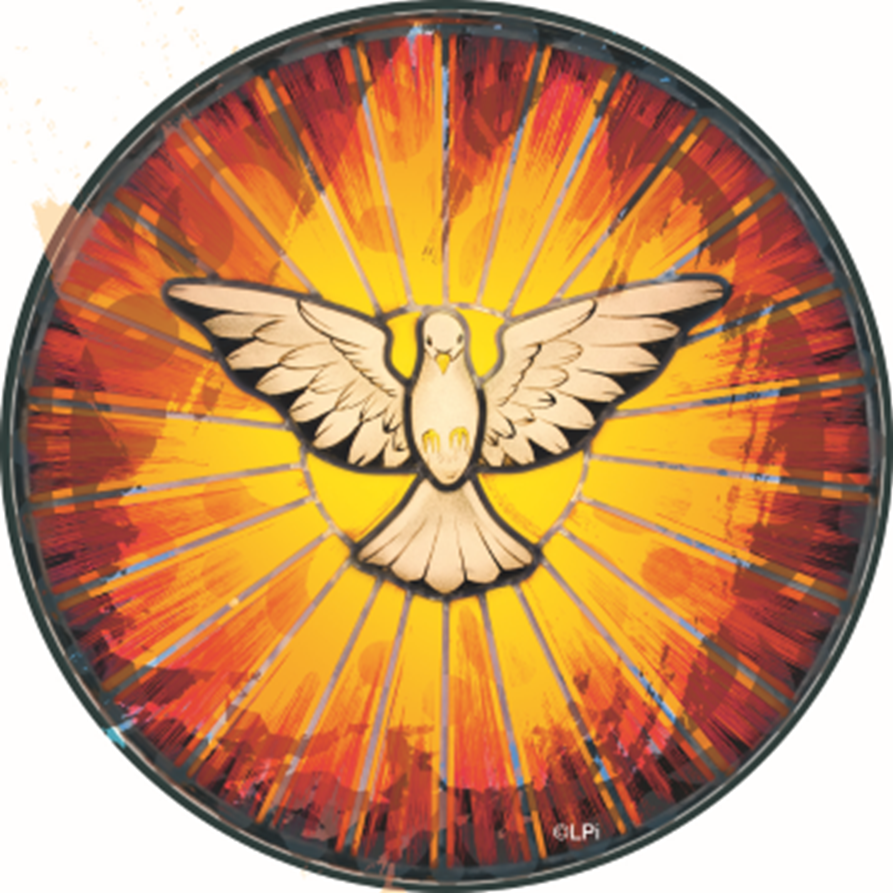
And God’s Spirit has come into the world, but we can prefer to live outside that spirit. That too is our decision, our judgment. God judges no one. We judge ourselves. We can also say that God condemns no one, though we can choose to condemn ourselves. And God punishes no one, but we can choose to punish ourselves. Negative moral judgment is self-inflicted. Perhaps this seems abstract, but it is not in fact. We feel the brand of our own actions inside us. To use just one example: how do we judge ourselves by the Holy Spirit.
God’s Spirit, the Holy Spirit, is not something so abstract and slippery that it cannot be pinned down. St. Paul, in the Epistle to the Galatians, describes the Holy Spirit in terms so clear that they can only be rendered abstract and ambiguous by some self-serving rationalization. To make things clear, he sets up a contrast by first telling us what the Holy Spirit is not. The Spirit of God, he tells us is not the spirit of self-indulgence, sexual vice, jealousy, rivalry, antagonism, bad temper, quarrels, drunkenness, or factionalism. Anytime we are cultivating these qualities in our lives, we should not delude ourselves into thinking we are living in God’s Spirit, no matter how frequent, sincere, or pious is our religious practice. The Holy Spirit, he tells us, is the Spirit of charity, joy, peace, patience, kindness, goodness, trustfulness, gentleness, and chastity. Only when we are living in these virtues are we living within God’s Spirit.
So, then, this is how judgment happens: God’s Spirit has been revealed. We can choose to live inside the virtues of that Spirit, or we can choose to live instead inside their opposites. One choice leads to a life with God, the other leads away from God. And that choice is ours to make; it doesn’t come from the outside. We judge ourselves. God judges no one. God doesn’t need to.
There are several lessons in this. This should help us to have a better understanding of God and God’s role in our lives. Beyond this, it is a strong challenge to us to be less judgmental in our lives, to let the good and the bad sort themselves out over time, to let light itself judge darkness, to let truth itself judge falsehood, and to, like Pope Francis, be less quick to offer judgments in God’s name and more prone to say: “Who am I to judge?”
God Bless,